How to Test the Comfort of Contoured Wedding Ring Sets Before You Say "I Do"
Why Comfort Matters for Contoured Wedding Ring Sets
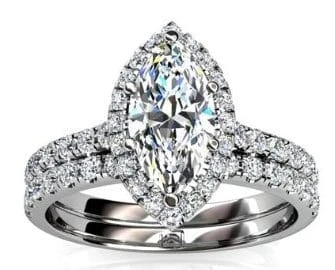
When you shop for contoured wedding ring sets, the first thing you notice is their elegant curve. These sets are designed to nestle around a raised engagement ring setting, creating a seamless look. But a beautiful silhouette means little if the rings pinch, rub, or feel awkward on your finger. Comfort testing before the wedding helps you avoid irritation and ensures that wearing your rings feels as good as they look. This article walks you through a practical checklist to evaluate comfort, so you can choose a set that works with your hand shape, daily routine, and finger size.
Check the Flush Fit Against Your Engagement Ring
The hallmark of a contoured wedding ring set is its ability to sit flush against an engagement ring. A flush fit means the wedding band curves around the setting without a gap, creating a unified look. To test this, place the wedding band and engagement ring together on your finger. If the band rocks or leaves a visible space, it may not be contoured properly. A poor flush fit can cause the rings to twist or rub against each other, leading to discomfort over time. Pay attention to how the rings sit when you move your hand. They should feel stable and secure, not as if they are competing for space.
Evaluate the Curved Band Against Your Finger Shape
Contoured bands are curved to match the shape of a setting, but that curve also needs to match your finger. A band that is too deep or too shallow can create pressure points. When you try on a contoured band, slide it up and down your finger a few times. Notice whether the curve catches on the skin or feels smooth. The inner edge should be rounded and polished, not sharp. If the band has a pronounced arch, check that it does not dig into the adjacent fingers when you hold hands or grip objects. Remember, your fingers swell slightly throughout the day, so test the fit at different times. A band that feels snug in the morning might feel tight by evening.
Assess the Setting Height and How It Affects Your Daily Movements
The setting height of your engagement ring plays a big role in how comfortable a contoured wedding ring set feels. A high setting can push the band down onto your finger, creating a sensation of pressure. To test this, wear the set for a few minutes and perform everyday actions: type on a keyboard, button a shirt, or grip a steering wheel. Does the setting catch on fabric? Does the band shift uncomfortably? A setting that sits low will work more naturally with a contoured band, while a taller setting may require a deeper curve. If you notice the rings lifting away from your finger when you bend your hand, the fit may be off. Many jewellers offer temporary try-on kits or loaner rings so you can simulate real wear before committing.

Test the Straight Band Option for Comparison
While contoured bands are designed to curve, some people find that a straight band offers a more comfortable alternative, especially if their engagement ring has a low setting. A straight band will not sit flush against a raised setting, but it can be worn on its own or paired with a spacer ring. Try on both a contoured band and a straight band to feel the difference. The contoured band will hug the setting, while the straight band will leave a small gap. For some, that gap reduces friction and makes the set feel lighter on the finger. Compare how each option feels when you clench your fist or carry a bag. The goal is to find a balance between visual fit and physical ease. Many couples end up choosing a contoured set for its look but order a second straight band for daily wear.
For a deeper understanding of how different ring styles interact with your hand, you can explore resources like diamond-rings-info.com, which explains the nuances of flush fit, setting height, and metal choices. That site covers all the practical details that help you make an informed decision before the big day.
Check for Pinching or Twisting During Hand Movement
Once the rings are on your finger, move your hand through a full range of motion. Make a fist, stretch your fingers wide, and rotate your wrist. Watch for any moment when the rings pinch the skin or twist out of alignment. Pinching often happens where the curved band meets the finger crease. Twisting occurs when the band is too loose or the curve does not match the setting. If the rings spin around your finger, they can rub against the skin and cause redness. A well-fitted contoured set should stay oriented the same way throughout the day. If you feel the rings moving, ask a jeweller about sizing adjustments or a different curve profile.
Consider the Metal Type and Its Weight
The metal you choose affects the weight and feel of your wedding ring set. Platinum is dense and heavy, which can make a wide contoured band feel substantial on your finger. Gold alloys vary in weight, with 14k being lighter than 18k. A heavier ring may feel secure to some but tiring to others. When testing comfort, pay attention to how the rings distribute weight across your finger. A band that feels top-heavy might tip forward and cause discomfort. Lighter metals like titanium or palladium offer a different sensation, but they can be harder to resize. If you plan to wear the set every day, the weight should feel natural, not like a constant reminder on your hand.
Check the Width of the Band
Contoured wedding ring sets come in various widths, from thin bands that feel delicate to wider bands that make a bold statement. A wider band can redistribute pressure over a larger area, but it may also feel stiff on the finger. To test width comfort, wear the band for at least 15 minutes and note any redness or indentations on the skin. A band that is too wide can rub against adjacent fingers, especially if you have narrow finger gaps. On the other hand, a very thin band might feel sharp or dig in. The right width depends on your finger shape and how the band interacts with your engagement ring setting. Many jewellers offer sample widths in their showroom so you can compare side by side.
Simulate Real-Life Conditions
Comfort in a store is not the same as comfort in real life. Your hands change size with temperature, humidity, and activity. To test a contoured wedding ring set properly, wear it while doing a few mundane tasks: wash your hands, apply lotion, or open a jar. Soap and water can make the rings slippery, and lotion can cause them to slide. See if the rings stay in place or if they start to move. If you are near a jeweller that allows a trial period, use that window to wear the set at home. Pay attention to how the rings feel when you sleep, because overnight swelling can reveal a fit that is too tight. The more you simulate daily life, the better you will know if the set is right for you.
Final Thoughts on Comfort Testing
Finding a comfortable contoured wedding ring set takes a little time, but it is time well spent. The goal is to marry the beauty of the design with the ease of wearing. A set that fits well will let you focus on your wedding and your new life together, not on an annoying pinch or a twist. Remember to evaluate the flush fit, the curve of the band, the setting height, and the weight of the metal. Compare straight and contoured options, and always simulate real conditions. For comprehensive guidance on choosing and caring for wedding ring sets, you can visit diamond-rings-info.com, where you will find detailed explanations of fit, metals, and costs. The right set will feel like a natural part of your hand, letting you wear your love story with confidence.
Ends · THEVOWJEWELER